
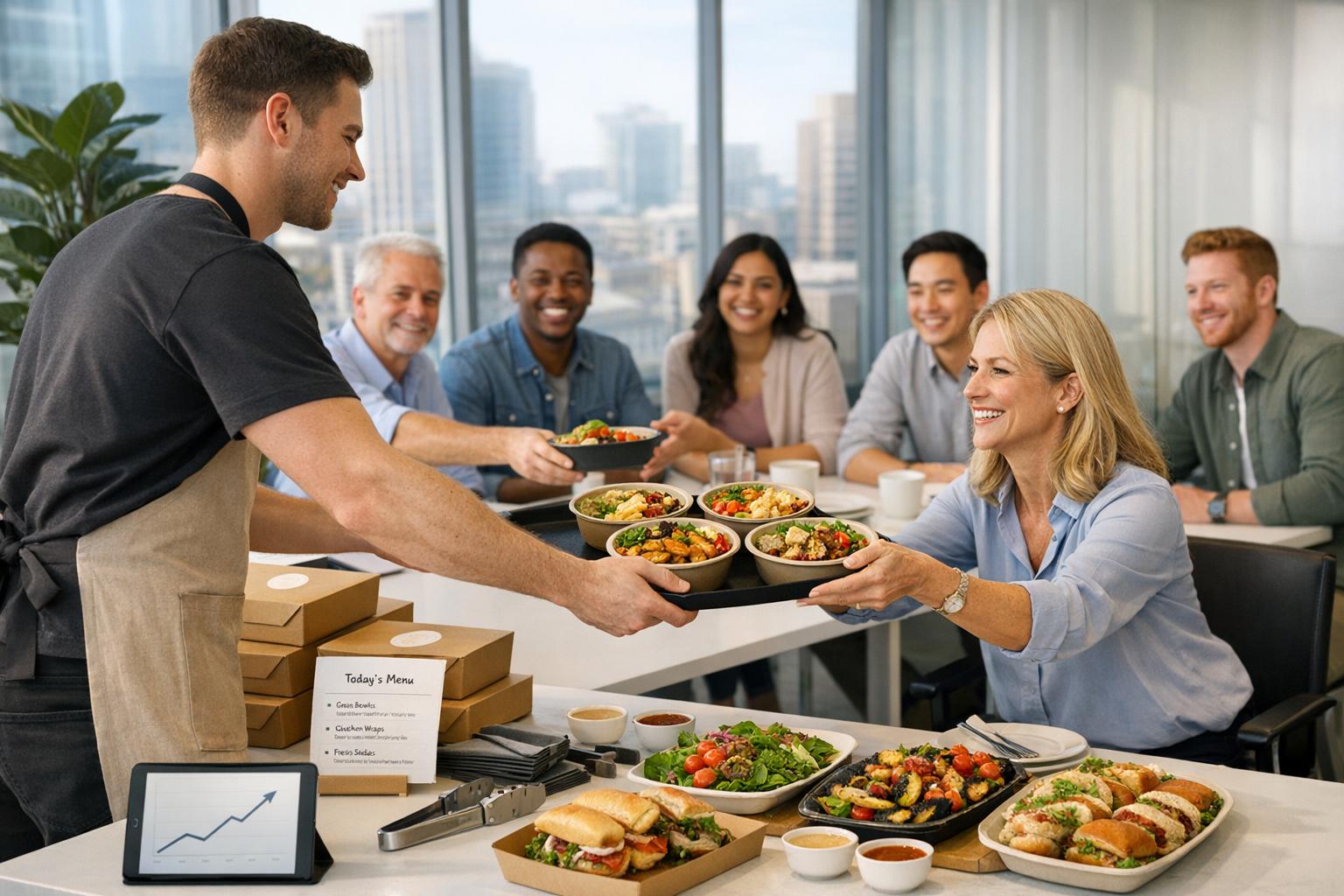
In today’s competitive restaurant industry, the key to growth often lies in untapped opportunities. Workplace catering is emerging as a vibrant revenue stream, not just for large chain restaurants but also for local independent eateries. Cindy Klein Ro, Chief Growth Officer of Easy Cater, recently shared industry insights during a podcast interview, shedding light on how workplace catering can transform restaurants’ bottom lines while simultaneously enhancing workplace productivity and satisfaction. This article explores the strategic expansion of workplace catering, the trends driving its growth, and actionable steps restaurants can take to thrive in this space.
The Rise of Workplace Catering as a Revenue Driver
Workplace catering is no longer just about providing food for meetings or corporate events – it has evolved into a strategic tool for businesses to foster collaboration, boost employee retention, and even incentivize a return to office life. As Cindy Klein Ro described, the demand for workplace food continues to expand, with companies increasingly using catering as part of their workplace experience strategies. This shift has created a lucrative opportunity for restaurants willing to adapt.
Key Statistics Highlighting Workplace Catering Growth:
- Average Order Value: Restaurants are seeing an average workplace catering order of $420, serving approximately 25 people per order. This represents a 12% year-over-year increase.
- Halo Effect: A staggering 70% of employees who first try a restaurant through workplace catering return later as individual or group customers, marking a 49% surge compared to previous years.
- Revenue Impact: For many restaurants, catering programs have become their fastest-growing revenue stream, with some experiencing growth in the high double digits.
With catering orders acting as both direct revenue and a marketing tool, restaurants can transform catering into a cornerstone of their business strategies.
sbb-itb-7261261
Why Workplace Catering is Thriving Right Now
The shift toward workplace catering can be attributed to several factors:
- Post-Pandemic Adjustments: As businesses adapt to hybrid work models, food is being leveraged to entice employees back to the office. The flexibility of catering programs offers a more appealing alternative to traditional, high-overhead cafeterias.
- Employee-Centric Trends: Today’s workforce prioritizes convenience and personalization. Employees want food that caters to their dietary preferences and schedules – whether that’s boxed lunches, taco bars, or vegetarian-friendly trays.
- Increased Productivity and Retention: Organizations are recognizing the role of food in fostering collaboration, boosting morale, and retaining talent. Shared meals can create moments of connection and enhance workplace culture.
Ingredients for Catering Success: How Restaurants Can Stand Out
For restaurants looking to expand into workplace catering, success starts with a well-rounded strategy. Cindy Klein Ro emphasized the importance of creating a catering program that appeals to both businesses and employees. Here are the critical elements every restaurant should consider:
1. Design a Menu That Attracts Diverse Audiences
The menu serves as a restaurant’s "billboard", showcasing its ability to meet the diverse needs of employees. To succeed:
- Offer options for various dietary preferences (vegetarian, gluten-free, etc.).
- Include both crowd-pleasers (like sandwiches, Mexican, and Italian dishes) and creative items (like build-your-own bars or specialty trays).
- Incorporate breakfast and snack offerings – two segments experiencing significant growth in the workplace catering market.
2. Leverage Customization
Customization is key, particularly in a post-pandemic era where employees want personalized experiences. Restaurants should offer flexible formats, such as:
- Individually boxed meals.
- Buffet-style setups for easy customization (e.g., taco or breakfast bars).
3. Embrace the "Treat Culture"
Afternoon sweet treats are on the rise, fueled by social media trends and younger generations’ embrace of indulgent snacks. Signature offerings, like cookies or dessert bundles, can serve as both a morale booster and an additional revenue stream. For example, the "Super Cookie Stash" from Levan Cookies has become a popular choice, with corporate orders averaging $330.
4. Utilize Technology and Platforms
Partnering with catering platforms like Easy Cater allows restaurants to streamline logistics, reach new customers, and handle large-scale orders efficiently. With over 100,000 partner restaurants, Easy Cater connects businesses to catering services tailored to their needs.
5. Focus on Operational Excellence
Timeliness and reliability are non-negotiable in workplace catering. Restaurants must ensure food arrives fresh, on time, and in the correct quantities, especially in settings with tight meal breaks, such as construction sites or secure data centers.
Emerging Trends in Workplace Catering
Catering trends continue to evolve, and restaurants that stay ahead of these changes can capture more market share. Here are some trends to watch:
- Breakfast’s Growing Popularity: Breakfast catering is gaining momentum, offering a cost-effective way for employers to provide value while creating moments of collaboration.
- Flexible Meal Programs: Programs like Easy Cater’s Relish allow employees to choose meals from rotating menus while employers subsidize costs. This personalized approach is quickly replacing traditional cafeterias.
- Expansion Beyond Offices: Workplace catering now extends to healthcare facilities, college campuses, construction sites, and even data warehouses, showcasing its versatility.
- Return of Buffets and Bars: While individually packaged meals dominated during the pandemic, buffet-style setups and bars (like taco or breakfast bars) have made a strong comeback, offering flexibility and variety.
The Future of Workplace Catering
Looking ahead, workplace catering shows no signs of plateauing. As Cindy Klein Ro highlighted, its appeal stems from the flexibility it offers to businesses and the variety it brings to employees. Restaurants that embrace this opportunity can expect not only direct revenue growth but also increased brand loyalty and foot traffic from employees who discover their food through workplace programs.
Moreover, the trend toward recurring meal programs signals a shift in how businesses view food as part of their workplace culture. By providing regular, high-quality catering options, companies are solidifying food as an essential pillar of employee satisfaction.
Key Takeaways
- Revenue Growth Opportunity: Workplace catering is a thriving market, with average orders reaching $420 and significant year-over-year growth.
- Halo Effect: Catering can drive foot traffic and individual orders – 70% of employees who try a restaurant through catering return as customers.
- Menu Design is Key: Offer diverse, customizable options that cater to dietary needs and emerging trends like treat culture and breakfast catering.
- Technology as a Tool: Leveraging catering platforms like Easy Cater can help restaurants reach new audiences and simplify logistics.
- Operational Excellence Matters: Reliability and timeliness are essential in securing repeat business.
- Expansion Beyond Offices: Workplace catering now includes healthcare settings, colleges, and construction sites.
- Future Trends: Recurring meal programs and flexible options are reshaping workplace food dynamics.
By capitalizing on these insights, restaurants can position themselves as indispensable partners for workplaces, unlocking new revenue streams and elevating their reputation in the process. For businesses, workplace catering represents more than just meals – it’s a pathway to happier, more productive teams.
Source: "How restaurants can build a robust revenue stream through workplace catering" – Restaurant Business, YouTube, Aug 5, 2025 – https://www.youtube.com/watch?v=8mqySd3UxrE