
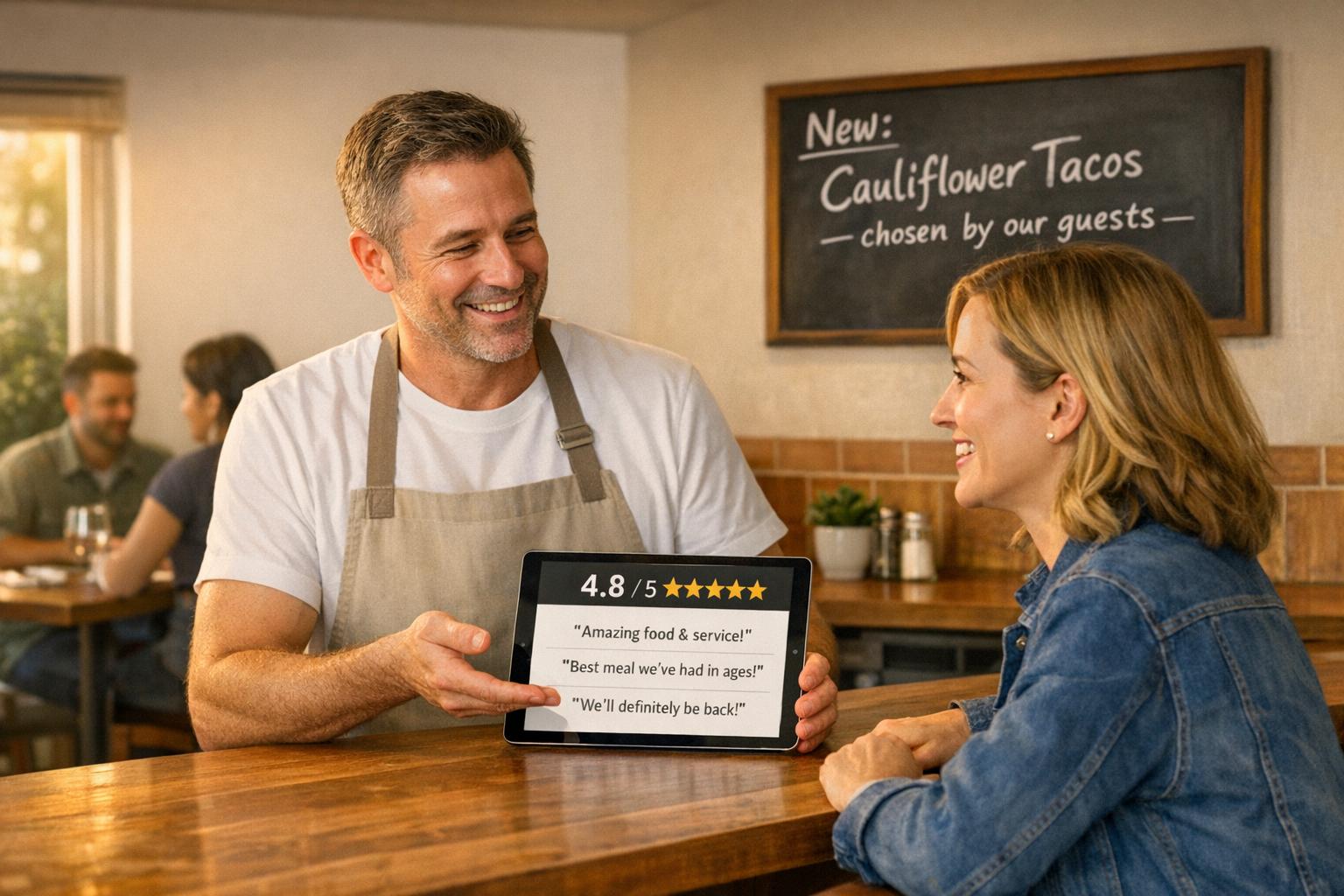
In the ever-evolving restaurant industry, understanding your customers and adapting to their needs is no longer optional – it’s a fundamental driver of growth and survival. In a transformative discussion with Chef DeAndre Carter, co-founder of Soul & Smoke in Chicago, and Dr. Anne McBride, Vice President of Impact at the James Beard Foundation, we dive into the powerful role customer feedback, data, and connection play in shaping a successful restaurant business. This article explores how restaurateurs can leverage community engagement, technology, and transparent communication to thrive in today’s challenging economic environment.
The Power of Community Connection in Independent Restaurants
Independent restaurants are more than just places to eat; they are integral to the fabric of their local communities. Dr. McBride highlights how these establishments contribute to the local economy, stating, "Independent restaurants represent the fifth-largest employer in the U.S. and generate $29 billion in annual revenue." Beyond economics, restaurants provide spaces for celebrations, tough moments, and shared memories, deeply embedding themselves in the community.
Chef DeAndre Carter emphasizes the reciprocal relationship between restaurants and their communities. During times of crisis, such as the COVID-19 pandemic, Soul & Smoke stayed connected to its customers by supporting local initiatives, delivering meals, and creating a community fridge. These efforts solidified trust and loyalty among patrons, proving that authentic engagement fosters resilience and growth.
Key Lesson: Be a Resource, Not Just a Business
Restaurants that actively engage with their communities – through outreach, charitable efforts, or partnerships – establish themselves as trusted cornerstones. Actions such as creating a community fridge or providing disaster relief demonstrate a commitment to more than just profits, which customers value deeply.
sbb-itb-7261261
Using Data to Navigate Challenges and Optimize Operations
Running a restaurant is no longer just about serving great food – it’s a data-driven endeavor. Both Chef Carter and Dr. McBride stress the importance of leveraging data to make informed decisions. From tracking sales trends to scheduling staff and managing inventory, data has become an essential tool for staying competitive. For example, Chef Carter shares how Soul & Smoke uses sales history to determine food prep quantities and employee schedules, ensuring efficiency and minimizing waste.
Dr. McBride’s insights into the James Beard Foundation’s annual State of the Industry report provide actionable takeaways for restaurateurs. A key finding from the 2025 report revealed that menu price increases up to 15% could improve profits, but exceeding that threshold often leads to diminishing returns. This type of data empowers businesses to make price adjustments confidently while maintaining customer satisfaction.
Key Lesson: Use Data to Address Rising Costs
To combat inflation and higher labor expenses, Soul & Smoke adjusted its menu offerings, introducing dishes like dirty rice, which uses ingredients that might otherwise go to waste. Additionally, transparency with customers about price changes through social media and in-store communication has helped maintain trust.
The Role of Technology and Social Media in Modern Hospitality
Technology is a game-changer in the restaurant business, especially for managing operations and building connections with customers. Chef Carter credits social media as one of the most valuable tools for Soul & Smoke’s success. Platforms like Instagram and Facebook allow the restaurant to share daily updates, promote events, and showcase its personality. However, diving into social media wasn’t without challenges. "Giving an extra piece of myself was always challenging", Carter admits, but he adapted, using social media to build authentic connections with his audience.
Dr. McBride advises restaurateurs to use technology in ways that align with their operations, whether through point-of-sale (POS) systems, communication apps, or email marketing. However, she cautions against relying solely on third-party platforms like Instagram or TikTok, as businesses don’t own that data. Instead, she advocates for building an email list to establish a direct line of communication with customers.
Key Lesson: Be Transparent and Authentic Online
Social media is a free yet powerful tool, but successful use requires authenticity. Share the behind-the-scenes stories, respond to customer inquiries, and engage in dialogues that reflect your brand’s values. Collaborate with other businesses to amplify your reach and innovation.
Customer Feedback: A Catalyst for Improvement
Feedback, both positive and negative, is an invaluable resource for restaurateurs. Soul & Smoke’s approach to reviews is a testament to this. Chef Carter explains, "We read every review and take it seriously. Whether good or bad, we use it as a learning opportunity." For example, after receiving repeated feedback about the fattiness of their brisket, the team didn’t dismiss the criticism. Instead, they adapted by offering customers a choice between fatty and lean cuts, significantly reducing complaints.
Dr. McBride highlights that responding to reviews is equally important. Constructive engagement with customers shows professionalism and care. She advises business owners to pause before reacting to negative feedback, ensuring responses are thoughtful and reflective of the brand’s values.
Key Lesson: Feedback Fuels Growth
Rather than taking criticism personally, use it as a lens to view your business through the customer’s eyes. Sometimes even small operational changes, like offering menu options, can resolve recurring concerns and drive positive reviews.
Building Trust Through Transparency and Values
Today’s diners want to support businesses that align with their values. Whether it’s sustainability, fair labor practices, or community involvement, customers are more discerning about where they spend their money. Dr. McBride notes, "Transparency and communication are critical. Don’t be afraid to tell customers why a dish is missing or why prices have increased."
Soul & Smoke’s dedication to transparency extends to its staff and partners. By collaborating with local breweries and dessert companies, the restaurant creates unique offerings that further connect with its community. These partnerships not only expand the business’s reach but also provide opportunities for creative innovation.
Key Lesson: Values Drive Loyalty
Communicate openly about your business practices and values, and align with causes that resonate with your team and customers. This fosters trust and deepens relationships.
Key Takeaways
- Community Connection is Key: Establish your restaurant as a vital part of the local community by supporting initiatives, partnering with other businesses, and giving back in meaningful ways.
- Leverage Data for Better Decisions: Use tools like sales history and industry reports to adapt your menu, manage costs, and optimize staff scheduling.
- Transparency Builds Trust: Be open about pricing changes, menu adaptations, and your business practices to maintain credibility with customers.
- Social Media is a Free Power Tool: Use platforms like Instagram to tell your story, connect with your audience, and promote your offerings authentically.
- Embrace Customer Feedback: Treat feedback as an opportunity to improve. Adapt operations to address common concerns, and use reviews to identify areas for growth.
- Collaborate for Innovation: Partner with local businesses to create unique experiences and amplify your reach.
- Invest in Employee Satisfaction: High employee morale and fair pay often lead to better customer experiences and improved profits.
- Build Resilience Through Flexibility: Stay adaptable in the face of rising costs and changing customer expectations. Flexibility is crucial for long-term success.
Conclusion
The restaurant industry is challenging, but as Chef DeAndre Carter and Dr. Anne McBride demonstrate, success is possible when businesses focus on community, adaptability, and using data effectively. By listening to customers, staying transparent, and leveraging technology, restaurateurs can build lasting connections with their communities and achieve sustainable growth. Whether you’re an aspiring chef, an entrepreneur, or a seasoned restaurateur, the strategies discussed here provide actionable insights to help you navigate the complexities of modern hospitality.
Source: "How Feedback Helps Restaurants Grow – Insights From Dr. Anne McBride & Chef D’Andre" – Yelp for Business, YouTube, Aug 6, 2025 – https://www.youtube.com/watch?v=vFFeUkzxbT4